THE PLAYBOOK · TNETUNII
Killer Sudoku: how a round works
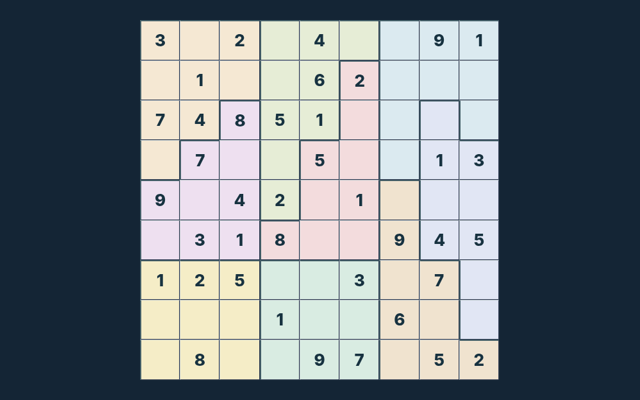
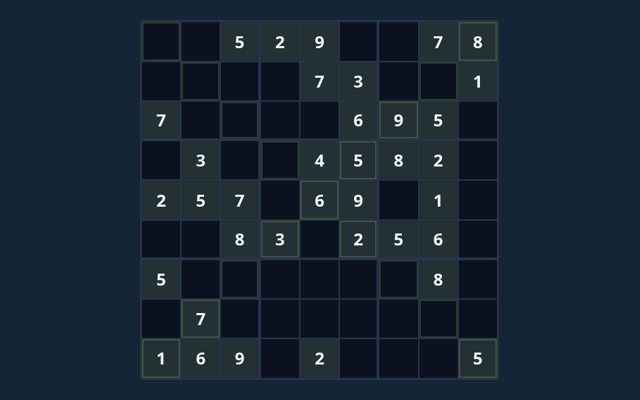
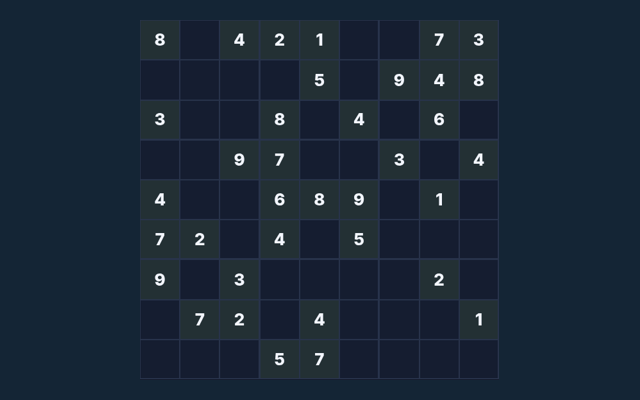
Try Killer Sudoku at your own pace and keep its objective in view. Fill rows, columns and boxes with 1–9 once. Cage digits cannot repeat and must add to their clue. Look at what changes after your first action. Choose a comfortable screen position before beginning. Keep the game area visible while you use its controls.
This collection contains 8 puzzles. Progress is saved in this browser. The same puzzle can appear again; the collection is not labelled with calibrated difficulty levels.
A focus for your next round
Keep the stated aim separate from side details such as animation or appearance. Progress is measured by the game’s own completion or scoring rules. Use the example to check your reasoning.
What counts as success
Fill rows, columns and boxes with 1–9 once. Cage digits cannot repeat and must add to their clue. Keep that objective in view throughout the round. Notice how the game responds to your input.
Step by step
- Select an editable cell.
- Enter a value using the keypad or keyboard; Notes stores candidates.
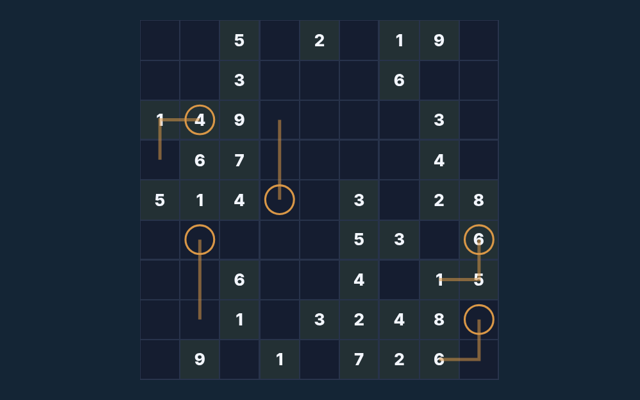
- Read the region, cage, arrow or outside clues alongside the normal constraints.
- Check entries verifies the completed board; Undo reverses your last input.
- New puzzle selects another included puzzle.
Keyboard and screen controls
Click or tap cells and the digit pad. Use Notes, Undo and Reveal selected. Large boards scroll inside the game. On a smaller screen, keep the active part of the board within view. Read the example below alongside these instructions.
Learn from a sample situation
A two-cell cage labelled 3 holds 1 and 2; a one-cell cage fixes its own value. Your next round may have a different position, so inspect it before acting. Keep the controls nearby.
Where a round can go wrong
A full board must obey every extra rule. Reveal supplies assistance; it is not an earned deduction. Read the feedback to see why an action did not have the expected result. Take enough time to read a new position. If a game has a timer, learn its controls first rather than searching for them during the round.
Read these answers for extra help
Before I begin, what is the goal of Killer Sudoku?
Here is the relevant explanation: Fill rows, columns and boxes with 1–9 once. Cage digits cannot repeat and must add to their clue.
For a quick reminder, how do I control Killer Sudoku?
Click or tap cells and the digit pad. Use Notes, Undo and Reveal selected. Large boards scroll inside the game.
On this playing page, what example helps explain Killer Sudoku?
A two-cell cage labelled 3 holds 1 and 2; a one-cell cage fixes its own value.
For my first round, what should I watch out for in Killer Sudoku?
A full board must obey every extra rule. Reveal supplies assistance; it is not an earned deduction.
When I return, what format does Killer Sudoku offer?
The key detail is this: This collection contains 8 puzzles. Progress is saved in this browser. The same puzzle can appear again; the collection is not labelled with calibrated difficulty levels.
For my first round, which play mode does Killer Sudoku use?
Here is the relevant explanation: The mode on this page is Solo. Same-device play uses one screen; this game library does not provide internet matchmaking.